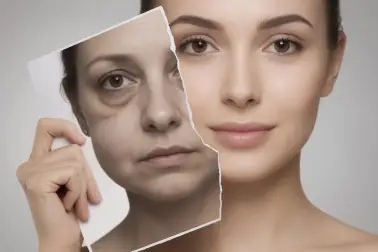
Stress has become the norm. And it doesn’t just wear down your nerves — it wears down your skin. Elevated cortisol breaks down collagen, triggers inflammation, causes dryness and dullness, and speeds up the appearance of fine lines.
That’s why natural stress remedies — especially adaptogens — have become so popular. These plants and mushrooms help lower cortisol, calm the nervous system, and improve your skin at the same time, inside and out.
Modern research supports what traditional medicine has known for centuries: adaptogenic herbs reduce inflammation, strengthen the skin barrier, and help your skin recover even under high stress.
Here are the 5 most effective adaptogens that genuinely help counteract the effects of stress on your skin.
How Stress Affects Your Face
Chronic stress leaves a very visible mark on your face. And as you get older, your skin becomes less resilient to its effects — losing firmness, developing inflammation, puffiness, dullness, and showing signs of premature aging.
The main culprit? Cortisol. When it stays elevated for too long, it:
- Breaks down collagen and elastin — the proteins that keep your skin firm, lifted, and smooth.
- Disrupts your skin’s moisture balance — cells literally become dehydrated.
- Increases inflammation — skin turns red, uneven, and reactive.
- Triggers acne and excess oil — even if your skin was clear in your twenties, stressful periods can clog pores and cause breakouts.
- Slows down skin repair — what used to heal in a week now takes months. Your complexion looks gray and tired, and even your usual skincare seems less effective.
Research shows that stress makes psoriasis, eczema, and atopic dermatitis worse. It also weakens your skin’s local immunity.
This is why it’s so important not only to manage stress and calm your nervous system, but also to use natural stress remedies like adaptogens that help lower cortisol in a gentle, sustainable way. For a deeper look at how cortisol changes your appearance, read the article “What Is Cortisol Face and How to Fix It.”
Top 5 Natural Adaptogens for Anti-Stress Skincare
| Adaptogen | Key Skin Benefits | Internal Use | Topical Use |
|---|---|---|---|
| Reishi | Antioxidant protection, hydration, collagen support | Lowers cortisol, improves sleep | Calms inflammation, strengthens barrier |
| Chaga | UV protection, detox, elasticity | Supports immunity, antioxidant | Reduces acne, maintains firmness |
| Ashwagandha | Firmness, anti-aging, calming | Lowers cortisol by 23–30% | Stimulates collagen, fights dryness |
| Tulsi | Pore cleansing, glow, anti-acne | Balances hormones, reduces anxiety | Calms sensitive skin, improves tone |
| Rhodiola | Collagen + elastin, UV protection, circulation | Reduces fatigue, lifts mood | Softens wrinkles, energizes skin |
Reishi (Ganoderma lucidum) — The “Mushroom of Immortality”

This glossy red mushroom grows on old trees. For centuries, it’s been called the “elixir of longevity.” In traditional Chinese medicine, emperors revered it as one of the most powerful remedies for restoring strength and preserving youth.
Internal use
Reishi is one of the most powerful adaptogens and natural stress remedies. It effectively lowers cortisol, calms the nervous system, improves sleep, boosts immunity, and helps your body cope with stress more easily. It’s typically taken as a tea, tincture, or powder.
Topical use for skin
Thanks to its polysaccharides and triterpenes, reishi acts as a potent antioxidant. It soothes inflammation, reduces redness, deeply hydrates, and stimulates collagen production. With regular use, skin looks fresher, more rested, and glowing — like you just had a facial.
DIY Reishi Mask for Stress-Related Skin Fatigue
- 1 tsp reishi powder
- 1 tbsp warm honey (up to 104°F / 40°C)
- A few drops of jojoba oil
Apply to clean skin for 15–20 minutes, then rinse with warm water. Use 1–2 times a week.
Chaga (Inonotus obliquus) — The “Black Gold” of Siberian Forests

This mushroom looks like a growth on birch trees — you’d never guess it’s a mushroom until you cut into it. Chaga tea has been known in folk medicine since the 16th century and is still considered a tea of longevity.
Internal use
Chaga is a valuable adaptogen and natural stress remedy. It helps your body recover from emotional and physical stress, supports immunity, reduces inflammation, and protects cells thanks to its high content of melanin and polyphenols. It’s most often consumed as tea or powder.
Topical use
Chaga powder is an excellent skin-protecting remedy. Betulinic acid combined with polyphenols protects skin from UV rays and soothes irritation from rashes and eczema. It also stimulates collagen production. Research published in the International Journal of Molecular Sciences shows that chaga not only protects against sun damage but also creates a protective barrier on the skin’s surface by inhibiting harmful enzymes — making it a strong shield against urban environmental stress.
Chaga Detox Mask
- 1 tsp chaga powder
- 1 tsp plain yogurt
- 1 tsp honey
Apply to your face for 10–15 minutes, then rinse with warm water. Ideal for cleansing and reviving tired skin.
Ashwagandha (Withania somnifera) — The “Indian Ginseng” of Ayurveda

Ashwagandha is a powerful adaptogen and natural stress remedy. It’s a shrub with small yellow flowers and red berries, whose root resembles an elongated tuber. It grows mainly in India and other parts of Asia. In Ayurvedic medicine, ashwagandha has been considered one of the strongest remedies for restoring energy, strength, and longevity for thousands of years.
Internal use
Ashwagandha helps calm the nervous system, reduce anxiety, improve sleep, and restore strength after exhaustion. It’s typically taken as tea, powder, or capsules. It has very few contraindications and is well tolerated by most people.
Topical use for skin
Ashwagandha powder is often used in DIY anti-stress masks because it soothes the skin beautifully, reduces inflammation, and stimulates collagen production. It’s also widely used in hair care — its antioxidants protect hair follicles from oxidative stress, help reduce shedding, and add healthy shine.
Calming Ashwagandha Mask
- 1 tsp ashwagandha powder
- Rose water (add enough to reach a sour cream consistency)
- ½ tsp honey
Apply to your face for 15 minutes, rinse with warm water, and follow with your usual moisturizer. Excellent for sensitive and tired skin.
Tulsi (Ocimum sanctum) — “Holy Basil,” the Queen of Ayurvedic Herbs

Tulsi is an aromatic plant with green or purple leaves and tiny flowers, native to tropical regions of India and Asia. In Ayurveda, it’s been revered for over 5,000 years and is called the “queen of herbs.” It’s considered a sacred plant that helps body and mind stay balanced even in difficult times.
Internal use
Tulsi is a wonderful natural stress remedy and one of the most popular calming herbs. It helps balance the nervous system, reduce anxiety, improve sleep, and support immunity. It’s usually consumed as a fragrant tea or powder. It has a pleasant aroma and is generally well tolerated.
Topical use for skin
Tulsi powder works beautifully in DIY masks. Thanks to its antibacterial and anti-inflammatory properties, it cleanses pores, fights acne, soothes sensitive skin, evens tone, and improves overall appearance. Tulsi also speeds up the healing of minor blemishes and makes skin more resilient to external irritants.
Tulsi Cleansing Mask
- 1 tsp tulsi powder
- 1 tsp honey
- A few drops of lemon juice (not for sensitive skin)
Apply to your face for 10–15 minutes, then rinse with cool water. This mask cleanses and refreshes the skin and is ideal for oily or combination skin.
Rhodiola Rosea — “Golden Root”

Rhodiola rosea is a hardy plant with fleshy, golden-pink roots that grows in cold mountain regions of Europe, Asia, and North America. In the folk medicine of Siberia and Scandinavia, it’s been called “golden root” for over 2,000 years and is considered a powerful remedy for overcoming fatigue, boosting endurance, and preserving strength.
Internal use
Rhodiola is one of the most effective adaptogens and natural stress remedies. It helps reduce fatigue, improve mood, boost focus, and restore physical and mental energy. The root is usually consumed as tea, tincture, or powder. It’s well tolerated when used properly.
Topical use for skin
Rhodiola is actively used in skincare thanks to its antioxidant properties. It stimulates collagen and elastin production, improves circulation, protects against environmental damage, softens fine lines, and gives skin a healthy, energized glow.
Research published in the International Journal of Molecular Sciences and MDPI shows that rhodiola protects skin from photoaging, reduces oxidative stress from UV rays, soothes sensitive skin, reduces dryness, and improves barrier function.
DIY Rhodiola Rosea Mask
- 1 tbsp jojoba oil
- A few drops of rhodiola extract
- 1 tsp honey
Apply to clean skin for 15 minutes, then rinse with warm water. You can also add a few drops of rhodiola extract to your daily moisturizer.
How to Fit Natural Stress Remedies Into Everyday Life
It’s easier than it sounds:
- The simplest option is to drink a stress-relief tea made with adaptogens (reishi, chaga, tulsi, or ashwagandha) regularly. It works especially well in the evening, about 1–1.5 hours before bed. This kind of tea helps lower cortisol, improves sleep quality, and restores your energy.
- Make a DIY anti-stress mask once or twice a week. It doesn’t take much time, and you can do it in the evening or morning — especially when you notice the signs of stress on your face, like puffiness and sagging.
General Guidelines
Start with small doses and pay attention to how your body responds. The effects of calming herbal teas are individual. This isn’t a sleeping pill — it’s a natural remedy that works gently, gradually, and safely. You might feel the effect after the first cup. Or it might take a week. To get the full benefit of adaptogens, use them as part of a combined approach: stress-relief herbs internally and skincare externally. This combination improves your sleep — and your mood, because your reflection in the mirror starts looking better, too.
For a deeper look at the connection between emotions and appearance, read “The Psychology of Beauty: Who Are You, Modern Woman, Really?”
Before You Start
Adaptogens are generally gentle, but they’re not for everyone. Talk to your doctor or an endocrinologist before using them regularly — especially if you have chronic conditions, are pregnant, or are breastfeeding.
FAQ
1. What’s the right dosage for making adaptogen tea?
It depends on the specific adaptogen, the form (powder, extract, tea), and your body. The safest approach is to buy ready-made teas or supplements from trusted brands and follow the instructions on the package. Don’t guess your own dosage — talk to a doctor first.
2. Can children take adaptogens?
In most cases, no. Adaptogens like ashwagandha, rhodiola, and reishi aren’t intended for children unless prescribed by a doctor. A child’s body responds to them differently, so only a pediatrician or pediatric endocrinologist should make that call.
3. Where’s the best place to buy quality chaga, reishi, or ashwagandha?
Trusted organic stores, well-reviewed pharmacies, or specialized online shops are your best bet. Amazon and iHerb also have plenty of options — just check the certification (organic), the country of origin, and reviews. Stick with powders or extracts from well-known brands.
4. How quickly will I see results?
The first improvements in sleep and well-being often show up within 7–14 days. Visible skin benefits — like a less tired look and better tone — usually take 3–6 weeks of regular use.
5. Can I combine several adaptogens at once?
Yes, but start with one for 2–3 weeks. After that, you can combine them (for example, reishi in the evening and tulsi in the morning). Just don’t mix more than 2–3 types at once without talking to a specialist first.
6. Do adaptogens replace therapy?
No. Adaptogens and natural stress remedies help your body handle stress better, but they don’t replace professional support for severe anxiety, depression, or apathy.