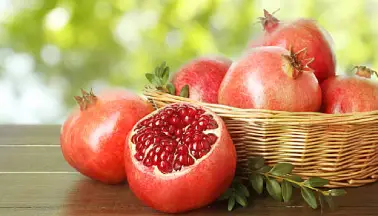
Every time you enjoy the sweet, juicy seeds of a pomegranate and toss the peel in the trash, chances are you’re getting three times less benefit than the fruit actually offers.
We all know pomegranate is a superfood. During the season, fresh pomegranate juice is available at almost every market, and we buy it because we’ve heard how healthy it is. But the truth is — even when we eat the seeds or drink the juice — most people only get a small fraction of the fruit’s real value.
First, we ruthlessly throw away the pomegranate peel — the most beneficial part of the fruit. And even what remains isn’t always fully absorbed by our bodies.
Surprised? I was too, until I started digging deeper into this topic. It turns out scientists have known about this for over 20 years, but for most people, it’s still a little-known fact.
Pomegranate peel is not waste. It’s a powerful natural “medicine cabinet” packed with potent antioxidants and compounds that trigger mitophagy — a deep cellular cleaning process. Thanks to pomegranate peel, we can fight aging at the deepest level.
Why Is Pomegranate Peel So Beneficial?
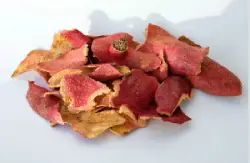
The peel makes up 40–50% of the pomegranate’s weight and contains 2–3 times more polyphenols than the seeds. The star compounds are punicalagins and ellagic acid. In terms of antioxidant power, pomegranate peel often outperforms even red wine and green tea.
Studies (including those on ScienceDirect) confirm that the peel delivers the powerful protective effects we expect from pomegranates: it neutralizes free radicals, reduces inflammation, and supports overall body function.
Mitophagy: True Cellular Rejuvenation
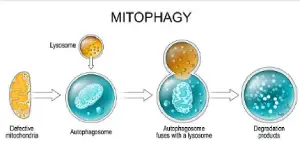
One of the most exciting discoveries in recent years is Urolithin A. Our gut bacteria convert ellagitannins found in pomegranate peel into this powerful compound. Urolithin A activates mitophagy — the process in which cells remove damaged mitochondria (the energy powerhouses of our cells) and replace them with new, healthy ones.
As we age, mitophagy slows down. We feel more tired, recover slower, and show signs of aging faster. Urolithin A essentially “switches on” this cellular cleanup process again.
Research from EPFL (Switzerland) and several clinical trials have shown that Urolithin A improves mitochondrial function, increases muscle endurance, and has rejuvenating effects. However, only 30–40% of people have the right gut microbiome to efficiently convert pomegranate peel into Urolithin A. That’s why combining pomegranate with probiotics — like kefir or natural yogurt — gives the best results.
What Else Does Pomegranate Peel Offer?

- Powerful antioxidant protection and reduction of oxidative stress
- Heart health — helps lower “bad” cholesterol, normalize blood pressure, and protect blood vessels
- Anti-inflammatory effects — supports the body during chronic inflammation
- Immunity — traditionally used for colds and sore throats
- Skin health — fights wrinkles, pigmentation, and inflammation
- Digestion — thanks to tannins, it helps with digestive issues
- Potential anti-cancer properties (shown in cell and animal studies)
How to Use Pomegranate Peel: Simple Recipes
My favorite daily routine for maximum benefit:
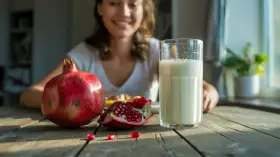
- Eat half or a whole pomegranate in the morning with kefir or natural yogurt.
- Rinse the peel, cut it, and dry it at room temperature or in the oven at 40–50°C (104–122°F). Grind it in a coffee grinder.
Classic Pomegranate Peel Tea:

- ½ to 1 teaspoon of dried, ground peel (or 5–10 g)
- 200–250 ml (about 1 cup) of hot water
- Steep for 10–15 minutes
Drink 1–2 cups per day. You can add honey, lemon, or ginger for taste. Recommended course: 3–4 weeks.
Pomegranate Peel Decoction (for immunity and digestion):
Boil 10–15 g of peel in 300 ml of water for 5–7 minutes on low heat, let it steep, strain, and drink warm.
Important Safety Notes
Do not eat the peel raw — it’s bitter and can irritate the stomach lining. Always use organic pomegranates when possible. Don’t exceed the recommended dosage. Consult your doctor before use if you have stomach ulcers, chronic constipation, are pregnant, breastfeeding, or taking medications (especially blood thinners).
Conclusion
Next time you peel a pomegranate, look at the skin differently. It’s not trash — it’s one of the most powerful natural tools we have for energy, cellular youth, and overall health.
A small daily habit — just one cup of pomegranate peel tea — can make a noticeable difference. Science is gradually confirming what traditional medicine has known for centuries: the pomegranate is a complete natural support system for our bodies.
FAQ – Frequently Asked Questions About Pomegranate Peel and Tea
1. Does pomegranate peel tea thicken the blood?
No, it actually has a mild blood-thinning effect. Thanks to its high content of polyphenols (punicalagins and ellagic acid), it helps inhibit platelet aggregation and improves blood flow.
Important: If you are taking blood thinners (such as warfarin, heparin, aspirin, etc.), pomegranate peel tea may enhance their effect. Always consult your doctor before using it.
2. Can children drink pomegranate peel tea?
It is not recommended for children under 12 years old. Their digestive systems are more sensitive, and the tannins in the peel can irritate the stomach and intestines.
After age 12, it can be given in very small doses (½ teaspoon of dried peel per 200 ml of water), but only after consulting a pediatrician. It’s safer for kids to stick with the pomegranate seeds.
3. Can you be allergic to pomegranate peel?
Yes, it is possible, although allergies to the peel are less common than to the seeds themselves.
Symptoms may include skin rash, itching, swelling of the mucous membranes, or breathing difficulties.
If you have known allergies to pomegranate, strawberries, walnuts, or other plants in the same family, it’s best to avoid it. Stop use immediately if any symptoms appear.
4. Can you overdose on pomegranate peel tea? What is the safe dosage?
Yes, overdosing is possible. The peel contains tannins and alkaloids that in excessive amounts may cause:
— Nausea, vomiting, or dizziness
— Stomach pain
— Constipation
— Headache
Safe dosage: 1–2 cups per day (½ to 1 teaspoon of dried peel per cup)
Course duration: 3–4 weeks, followed by a 1–2 week break
5. Who should avoid pomegranate peel tea?
— People with stomach ulcers or gastritis with high acidity
— Those with chronic constipation or hemorrhoids
— Pregnant and breastfeeding women (only with doctor’s approval)
— Anyone with individual intolerance
— People scheduled for surgery (stop 2 weeks prior due to its blood-thinning properties)